

Defence Colony drain cleaning project New Delhi: Delhi Jal Board has started trial of a new technology to clean wastewater flowing through Defense Colony drain and also provide relief to people from foul smell before it enters the Yamuna via Barapulla drain. The Rs 5-crore in-situ wastewater treatment project, being executed by IIT Ropar in consortium with IIT (BHU), uses tiny oxygen bubbles and beneficial microorganisms to break down pollutants in the wastewater.The system generates ultra-fine oxygen nanobubbles which remain in water for a longer duration, enhancing dissolved oxygen levels and promoting the activity of naturally occurring beneficial microorganisms. These microorganisms help in the degradation of organic pollutants present in wastewater. The treatment arrangement enables progressive improvement in water quality as wastewater flows through it.Water minister Parvesh Verma and New Delhi MP Bansuri Swaraj are likely to inaugurate the project Monday, said local MLA Neeraj Basoya, who represents Kasturba Nagar in the assembly. The work on setting up an STP in the area is also going on, he added.“It is a nano-bubble-based wastewater treatment technology which is being used in Delhi for the first time in the country. The technology is designed to clean polluted drain water without first diverting it to a sewage treatment plant. The treatment takes place directly inside the drain. The people of Defense Colony were demanding a solution to the foul smell of the drain for over a decade. The BJP govt has started the project which will eliminate the foul smell by cleaning the water. An STP is also being set up in Andrews Ganj which will treat the water before it comes to Defence Colony, so the combination of the two projects will make the entire drain clean,” said Basoya.“No payment will be made during the capital construction and installation phase. Payment will be made only against the actual quantity of wastewater treated and achievement of the prescribed water quality parameters. The treatment performance will be assessed through an online monitoring system,” said Basoya.The trial run of the treatment system commenced on Nov 15. A three-month trial and stabilisation period has been envisaged to optimise the treatment process and establish consistent performance against the target. The total project duration is one year and five months, comprising a two-month construction and installation period, followed by a three-month trial and stabilisation period and a subsequent one-year operational period.
Source link
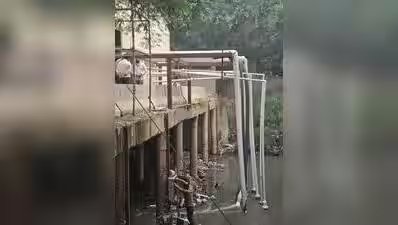
Nano-bubble technology to tackle foul smell, clean Defence Colony drain | Delhi News